Ruff Day I Need a Treat: Dog Graphics for Crafts
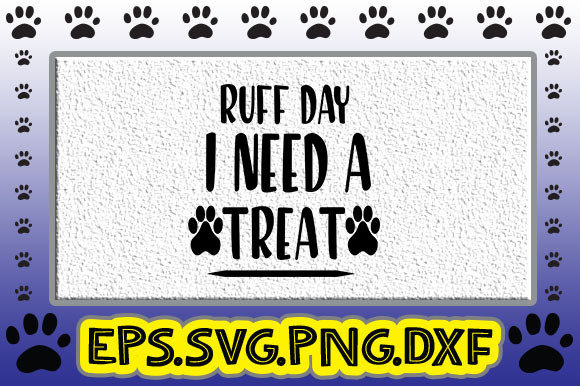
When I first unzipped the Ruff Day I Need a Treat design files, I immediately pictured a warm bakery counter, a sleepy golden retriever, and a customer who’d just had one of those weeks. The mood is playful, slightly self-deprecating, and wrapped in cozy, handwritten charm. It’s not sleek or overly polished—it’s the kind of typography that feels like a note left on the kitchen counter, which makes it incredibly approachable for a wide range of handmade products. As someone who designs for craft fairs and Etsy shops, I’m always hunting for assets that spark an emotional connection, and this one nails the need for a little comfort and a little treat, with a dog-loving twist. The design reads as cute, rustic, and warm, leaning into a casual, farmhouse-style personality that attracts pet owners, gift shoppers, and anyone who turns to baking or snacking after a rough day.
From a handmade business perspective, the Ruff Day I Need a Treat graphic is a versatile tool. I can see it fitting snugly into a fall collection, a pet-themed product line, kitchen decor, or even a self-care gift bundle. The dog typography angle immediately narrows the audience to dog lovers, but the treat message broadens it to anyone who craves a little indulgence. When I tested it in my Cricut Design Space, the SVG file opened cleanly, with smooth, well-composed curves that didn’t need any node cleanup—a huge time-saver. The PNG with transparent background was crisp at 300 DPI, which is essential for print-on-demand mockups and sublimation projects. The DXF and EPS files were included in the ZIP folder, which means Silhouette Studio users and CorelDRAW crafters can jump right in without conversion headaches. Right away, I knew this was a design asset I could confidently use for customer orders, not just personal experiments.
How a Single Typography Design Can Fuel a Product Drop
One of the best ways to test a new graphic is to build a small themed collection around it. With Ruff Day I Need a Treat, I quickly sketched out a mini product line: a set of frosted glass coffee mugs, a sublimation tea towel, a vinyl-decorated treat jar, and a set of round stickers for gift bags. Each product required a slightly different file format. The SVG was perfect for the mug cut, the PNG handled the sublimation print, and the EPS let me tweak the layout in Illustrator for a matching thank-you card. This is exactly the kind of workflow a small business owner needs—one asset, multiple uses, minimal file hunting. The design’s mix of typography and subtle dog-inspired elements (I spotted a tiny paw print worked into the lettering) gave each product a cohesive look without feeling repetitive.
For Cricut project enthusiasts, the asset really shines on items where the phrase can be read at a glance: tote bags, canvas zipper pouches, and even simple throw pillow covers. The lettering is bold enough to weed easily, even in smaller sizes, but I’d avoid shrinking it below two inches wide for intricate vinyl cutting. The thin, playful descenders and the slight tail on the “R” add character, but those fine details demand a sharp blade and a clean mat. I tested it on permanent vinyl for a matte black mug, and after a few test cuts, I settled on a moderate pressure setting. The result was a crisp, professional-looking decal that felt like a boutique purchase.
Where This Design Truly Feels at Home
After running Ruff Day I Need a Treat through multiple product mockups, I found it performs best on surfaces that give the text room to breathe. Large cut files on tote bags, oversized sweatshirt backs, and rectangular kitchen signs gave the design a confident, standalone presence. Printable designs also thrived: I printed the PNG on matte sticker paper, made a batch of planner stickers, and they sold out at a weekend market within hours. The transparent background kept the edges clean, and the design didn’t need a white border, which simplified my sticker-making process. For sublimation, the high-resolution PNG transferred beautifully onto a ceramic mug; the dark, slightly distressed fill of the letters held its depth, and the overall look was cozy, not muddy.
Another strong use case is seasonal craft bundles. I paired the dog typography with fall-themed illustrations and a plaid background pattern, then listed a digital printable bundle in my Etsy shop. The combination of a relatable phrase, a pet-friendly vibe, and an autumn palette resonated with buyers looking for quick, affordable decor. The design also works as a decorative accent on gift tags, party favor bags, and even as a printable wall art piece for a laundry room or pantry. Small business branding can also benefit: I’ve seen crafters use similar designs on their thank-you cards, packaging inserts, and social media graphics, and Ruff Day I Need a Treat has the personality to make a brand feel more personal and approachable.
When a Little Extra Testing Is Worth the Effort
No design is perfect for every project, and honest crafting means knowing where to pause and test. With Ruff Day I Need a Treat, the main caution areas are very small cutting details, crowded compositions, and low-contrast color choices. The lettering has some narrow connection points—especially around the “f” and “a” in treat—that could tear if you’re using thin heat transfer vinyl or a slightly dull blade. I recommend a test cut on scrap vinyl before committing to a full shirt order. For sticker sizes under 1.5 inches, the text becomes harder to read, and the playful character of the design gets lost. I’d save this one for larger sticker applications, like laptop decals or car window clings.
Layered vinyl projects also need a careful hand. The design comes as a single-color graphic, which is great for simplicity, but if you try to add a shadow layer or a multi-color effect, you’ll need to manually offset the SVG in your software. I tried a two-color version with a coral fill and a navy outline, and while it looked fantastic on a white tote, the registration was finicky. A beginner might get frustrated, so I’d suggest sticking to a single-color application unless you’re comfortable with alignment tricks. On dark products, the distressed fill can lose some punch if you’re not careful with the material choice. On a black towel, I printed the design in white sublimation ink, and the result was soft and readable, but on a dark gray shirt with a light gray heat transfer, the contrast felt underwhelming. Always test your color pairings on the actual product before listing it.
Practical Crafting Notes from a Real Workspace
Over the years, I’ve learned that the files you receive are only half the story—the other half is how you treat them. For Ruff Day I Need a Treat, the ZIP folder contained a clean SVG, a transparent PNG, a DXF, and an EPS. I checked the SVG lines in Adobe Illustrator and found a single, welded path with no stray nodes. That’s rare and worth celebrating. The PNG was 300 DPI and scaled nicely up to poster size without pixelation. For sublimation, I always double-check that the resolution is at least 300 DPI at the final print size, and this file passed. I also recommend testing colors on a sample print because sublimation inks can shift slightly on different substrates. A quick test on a mug insert and a shirt swatch saved me from a batch of dull-looking products.
When placing the design on mockups, I noticed it pairs beautifully with a wide range of font styles. A clean sans serif like a modern grocery-store label gives it a fresh, contemporary feel, while a script font adds a handwritten, bakery-chalkboard vibe. It also works with serif fonts for a more traditional gift-shop look. I created a set of printable gift tags by combining Ruff Day I Need a Treat with a simple “to” and “from” in a delicate handwritten font, and the result was cohesive and sale-ready. When you’re building a product line, this kind of design flexibility lets you stretch one asset across multiple styles and price points.
Commercial licensing is something I always verify before selling finished products. This digital download came with a clear commercial use allowance, which means I can use it on items I sell at craft fairs, in my Etsy shop, and on print-on-demand platforms. However, I never redistribute the original files. I always check the license terms, especially for print-on-demand, because some designers restrict the number of units or require additional attribution. For Ruff Day I Need a Treat, the license was straightforward, but I still keep a copy of the terms in my product folder for reference.
From a Crafter’s Cart to a Customer’s Home
Ultimately, what makes a design asset valuable is the reaction it gets from the people who buy the final product. I tested a small batch of dog-themed coffee mugs with this design, and within a week, I had repeat customers asking for matching tote bags and sticker sets. That’s the power of a message that feels personal and just a little bit indulgent. The phrase “I need a treat” is universal, and adding the dog element makes it even more shareable. I’ve seen it work for teacher gifts, friend pick-me-ups, and even as a humorous addition to a spa gift basket. The design’s rustic, hand-drawn quality gives it a handmade warmth that aligns with what crafters do best: creating items that feel like they were made just for you.
If you’re building a printable product line, this graphic is a strong candidate for set-building. I combined it with a few other dog-themed typography designs and sold them as a digital bundle, which increased my average order value. For Etsy sellers, the ability to list digital products alongside physical ones means you can offer the same design as a printable wall art, a mug, and a sticker sheet, all from one asset. Just be mindful of niche saturation—dog typography is popular, so adding something unique to your presentation, like a custom color palette or a product pairing, can help your listing stand out.
In the end, Ruff Day I Need a Treat is the kind of graphic that earns its place in a crafter’s digital library. It’s not just a file; it’s a starting point for a product idea, a mood, and a customer connection. Whether you’re cutting vinyl in your home studio, printing transfers for a weekend market, or designing a new line of planner stickers, this design asset brings a cheerful, dog-loving energy that’s hard to resist. Just remember to test your settings, watch those thin connection points, and pair it with colors that let the typography shine. With a little care, you’ll turn a rough day into a treat—for both you and your customers.