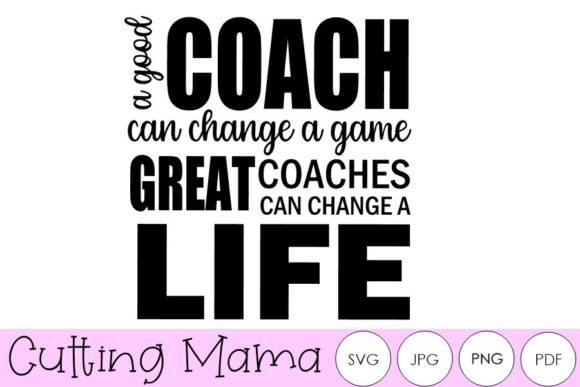
A Great Coach Design for Crafts and Graphics Marketing
As a brand designer reviewing a new asset for a client campaign, my first impression of A Great Coach Can Change a Life Good is immediate and positive. The sentiment is universal, yet the phrasing carries a specific weight. It creates a mood of gratitude, respect, and legacy. This isn’t casual fluff; it evokes a sincere emotional tone suitable for premium visuals, heartfelt merchandise, and lifestyle content centered around mentorship, sports, education, or personal growth. It feels authentic, a quality that modern audiences crave.
The Emotional Core for Audience Perception
In marketing, we often talk about “why” before “what.” This graphic design asset provides a powerful “why.” It frames the coach not just as a trainer, but as a life-changing influence. For a brand targeting communities, teams, or educational services, using this asset signals that you understand depth. You’re not just selling a product; you’re honoring a relationship. This builds an emotional connection from the first glance, which is foundational for improving audience trust and making campaign visuals more memorable.
Integrating the Design into a Real Marketing Project
Let’s frame this around a real case: a small business launching a line of premium thank-you gifts for corporate coaches and mentors. The goal is a seasonal social media campaign leading to a product launch. A Great Coach Can Change a Life Good becomes the hero graphic for the campaign header. Its clear, declarative statement sets the theme. From there, it can flow seamlessly into Instagram posts showcasing the product on a mug, Pinterest pins highlighting the design on a plaque, and Facebook ads driving to the collection. The design supports a stronger first impression across all touchpoints.
Where This Graphic Asset Excels in Brand Communication
For visual consistency, this asset is a versatile anchor. Its message is the focal point, allowing complementary branding elements to work around it without clutter. Here are specific applications where I’d test it in a real workflow:
- Social Media Graphics: As a central quote in Instagram posts or a bold overlay on Facebook ad images.
- Packaging Design & Product Labels: As a decorative brand element on tissue paper, insert cards, or directly on a mug’s packaging.
- Email Banners & Blog Graphics: To visually break up content marketing emails or article headers about coaching success stories.
- Printable Promotions & Event Flyers: For a coach appreciation event or workshop promotion, adding a layer of credibility.
- Merchandise & Digital Product Visuals: The description notes it’s perfect for a clipboard, shirt, or tumbler. It’s ideal for creating a cohesive line of branded merchandise.
- Content Bundles & Lead Magnets: Included in a media kit or Canva template bundle for clients in the coaching space, providing them with ready-made professional branding assets.
Supporting Marketing Goals Through Visual Hierarchy
This design performs well by creating a clear visual hierarchy. The message is dominant, which means surrounding text (like calls-to-action or product details) can be secondary. This leads to better engagement as the viewer’s attention is guided. For a digital seller or online coach using this in their web design, it can serve as a website header that instantly communicates their values. In editorial design for a blogger or publisher, it could be a powerful standalone graphic within an article.
The Ideal Contexts for Maximum Impact
To achieve a professional appearance and stronger recognition, place A Great Coach Can Change a Life Good in these key roles:
- Hero graphics for a campaign about gratitude or achievement.
- Branded templates for social media covers, especially on LinkedIn or Facebook.
- Packaging accents that elevate a simple product to a meaningful gift.
- Promotional banners for a “Coach Appreciation Week” sale.
- Decorative brand elements within a content creator’s YouTube video thumbnails or podcast graphics.
Where to Apply Careful Consideration
Every design asset has optimal contexts. A brand designer’s job is to also note where an asset should be used carefully. For this specific creative design, be mindful in:
- Formal corporate branding where a more minimalist logo might be primary.
- Dense information layouts where the quote might compete with crucial data or text-heavy ads.
- Small mobile graphics if the text detail becomes illegible at tiny sizes.
- Overly minimal brands where the style might feel too pronounced.
- Designs placed on low-contrast backgrounds, which could harm readability.
Practical Brand Designer Notes Before Deployment
Before integrating this SVG or PNG design into any client work or paid campaign, I run through a standard checklist. First, test it with the brand’s color palette. Does it work in monochrome or need a specific color treatment? Check black and white usage for potential print applications. Crucially, place it inside real campaign mockups—preview it on mobile screens and as part of a busy Instagram feed.
Test readability in small sizes, especially if considering it for a product label or sticker. Compare it against competitor visuals to ensure it stands out uniquely. A key step is reviewing spacing and balance when pairing it with different font styles. How does it look alongside a sleek sans serif font for a modern feel? Does it clash with a script font, or could that combination feel too busy? This assessment ensures the final composition feels intentional.
Finally, always confirm the commercial licensing for the digital product. For use in commercial design, marketing visuals, or resale on physical crafts, the license must permit it. This is fundamental for professional branding and protecting your business.
A Lasting Asset for Creative Entrepreneurs
In conclusion, A Great Coach Can Change a Life Good is more than clipart; it’s a communication tool. For brand owners, marketers, and creative entrepreneurs in the crafts and graphics space, it offers a ready-made emotional hook. It supports clearer product presentation and more consistent branding across channels. By understanding its strengths—the sincere mood, the versatile applications—and its considerations—scale, context, licensing—you can deploy this illustration effectively. It can become a cornerstone graphic for a niche, helping build a brand that feels both professional and profoundly human.