Ramadan Graphics: Iftar Coffee Dates Mosque Illustrations
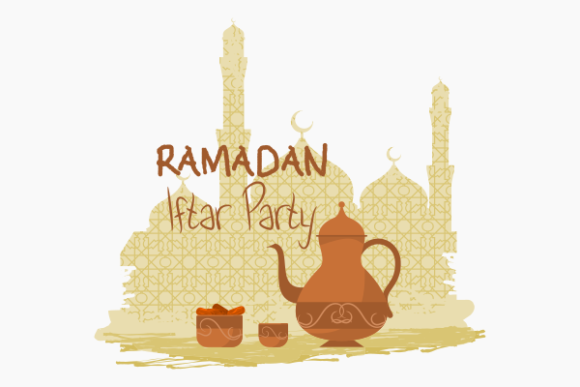
As a digital publisher preparing for the Ramadan content season, I immediately downloaded and opened the Iftar Party Dates and Coffee with Mosque graphic design asset. My first impression was one of elegant warmth. The composition—a traditional dallah pot, a finjan cup, a bowl of dates, and a mosque silhouette rendered in soft brush strokes—creates an editorial mood that is deeply cultural yet universally welcoming. This isn't a loud, cartoonish clipart; it’s an artistic illustration that feels lifestyle-focused, educational, and beautifully decorative. It supports content niches in faith-based publishing, cultural education, food blogging, event planning, and seasonal marketing with a sense of polished authenticity.
The Editorial Value of a Cohesive Visual Story
In the real workflow of a content creator, a single, strong graphic asset like this is a powerhouse. Its value lies in its ability to tell a complete visual story instantly. For a blogger writing about Ramadan traditions, an affiliate markateur promoting festive products, or an educator creating a digital guide, this illustration provides a ready-made centerpiece. It communicates the themes of community, hospitality, and celebration without a single word. This visual shorthand builds reader trust; the content looks researched, respectful, and professionally presented, not hastily assembled with mismatched stock photos.
Publishing Applications: From Featured Images to Lead Magnets
Let’s map this onto a real publishing week. On Monday, I need a hero image for a blog post about hosting an iftar. This SVG becomes the perfect backdrop, with text overlaid on the softer areas of the brush-stroke mosque. On Tuesday, I resize and focus on the coffee element for a Pinterest pin linking to a recipe post. The warm tones and intricate details are inherently clickable. Wednesday involves drafting a newsletter; the asset serves as a header graphic, setting a cohesive tone for the entire email. By Thursday, I’m designing a downloadable printable—a prayer schedule or menu planner—using the illustration as a decorative border. Finally, on Friday, I create a series of social media previews for an upcoming digital guide, cropping the design to highlight different elements for each post.
The editable vector format is key. I can isolate the dates bowl for a food-focused article thumbnail, or use just the graceful mosque silhouette for a more solemn devotional piece. This adaptability ensures consistent branding across all platforms while allowing each piece of content to have a unique visual hook.
Where This Design Asset Boosts Content Performance
Using a well-crafted illustration directly impacts key metrics. A stronger first impression on a blog post or affiliate page reduces bounce rates. The clear visual hierarchy in this design—where the central elements naturally draw the eye—helps guide readers. For click-through potential, especially on Pinterest or in email newsletters, an image that evokes emotion and tradition outperforms generic text overlays. It builds category recognition; over time, my audience will associate this visual style with my Ramadan content, strengthening my site’s visual identity.
Practical Publisher Notes for Implementation
Before pushing any live content, my process involves rigorous testing. I always preview the graphic in a real blog layout, checking how it looks as a small mobile thumbnail. The intricate details of the dallah pot must remain recognizable. I test it with headline text overlaid, using both a clean sans-serif font for a modern feel and a serif font for a more editorial look. The brush-stroke background offers excellent contrast for readability. I also verify the commercial license, which is essential for monetized websites and paid digital products like eBook covers or media kits.
For web performance, I ensure the exported image files are properly compressed. While the original SVG is fantastic for editing, using optimized PNGs or JPGs for actual web publishing keeps page speeds fast. I also experiment by placing the graphic beside other design elements to ensure it doesn’t clash in a busy layout.
Optimal Use Cases and Cautions for Web Design
The Iftar Party Dates and Coffee with Mosque illustration works exceptionally well in certain publishing contexts. It’s ideal for article thumbnails in category archives, blog graphics breaking up long-form text, and as an editorial accent on sidebar widgets or about pages. It’s a prime candidate for content upgrades and lead magnets—think a beautifully decorated “Ramadan Planning Kit” PDF. Its aesthetic also makes it a natural fit for newsletter headers and Instagram story graphics.
However, it should be used carefully in some scenarios. On text-heavy blog images where the primary goal is to display a quote or data, the detailed background might compete. For very serious, corporate, or minimalist professional niches, its decorative, artistic style might feel too informal. In extremely busy layouts with multiple competing graphics, it could lose its impact. The key is to let it shine as a focal point rather than bury it as filler.
A Final Thought on Visual Communication and Brand
Ultimately, this graphic design asset is more than just a picture of coffee and dates. It’s a tool for authentic visual communication. For the small business owner creating a Ramadan greeting, the digital markateur running a seasonal campaign, or the blogger building authority in a niche, using such a thoughtful illustration elevates every piece of content. It signals quality and care. When readers, subscribers, or customers see Iftar Party Dates and Coffee with Mosque across your platforms, they don’t just see a graphic; they see a professional, cohesive, and trustworthy brand that understands the spirit of the content it publishes. That is the real power of a great design asset in the hands of a publisher.