Evaluating a Funny Baseball Design for Real Embroidery Work
Whenever I'm presented with a new embroidery design like How to Bunt, Hit a Dinger Funny Baseball, my first thought isn't about the files in the ZIP folder. It's about the project it could become. I approach it as a designer thinking through its practical application on fabric, for clients, or for my own shop's merchandise. This review is based on that mindset: how this graphic translates from a digital asset to a stitched, tangible product that people will wear, use, or gift.
The First Impression: Personality and Potential
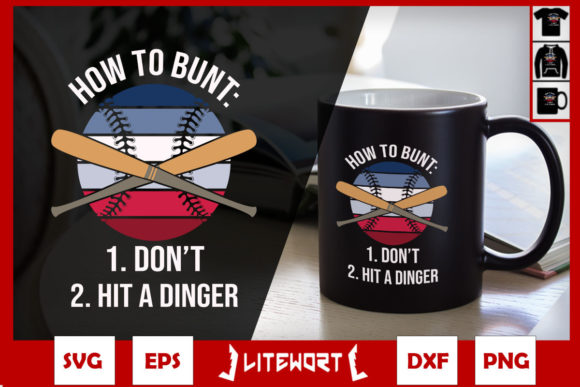
The title itself sets a playful, sports-loving mood. It's not a generic logo; it's a conversational, humorous statement. This immediately tells me it's for a specific audience—baseball fans, parents of little players, or someone with a lighthearted sense of humor. The visual personality likely leans towards casual and fun, rather than formal or sleek. When considering embroidery, such a design belongs naturally on items meant for enjoyment, celebration, or personal expression. My mind goes directly to custom apparel like weekend sweatshirts, relaxed t-shirts, or a tote bag for game day. It feels perfect for a personalized gift for a coach, a player, or a fan. The layout and detail level, as inferred from the description, need to support clear lettering and possibly illustrative elements to make the joke land visually after stitching.
Where This Design Finds Its Home
In real-life embroidery situations, this design's charm can be leveraged across many products. For a small business owner or Etsy seller, it could be a standout piece on a unisex baseball cap, turning a simple cap into a novelty item. As an apparel decorator, I'd consider it for the back of a hoodie or the front of a cozy fleece blanket for a sports-themed nursery. The "funny" aspect makes it excellent for giftability—think embroidered on a high-quality apron for a grill master dad or stitched onto a durable patch that can be applied to a backpack. For craft fair products or boutique merchandise, it could adorn a simple pillow cover, adding a touch of personality to home decor without being overly thematic.
It's also a strong candidate for digital product sellers and creative entrepreneurs. The included file formats (SVG, PNG, DXF, EPS) mean it's versatile beyond machine embroidery. It could be used for printable mockups to showcase the final product online, or even for other craft applications like vinyl cutting, depending on licensing. This versatility increases its value as a commercial design asset.
A Practical Scenario: The Custom Tote Bag Project
Let's walk through a real case. Imagine I'm preparing a custom embroidered tote bag for a client who wants a unique gift for her son's baseball team. I choose a sturdy, neutral canvas tote. How to Bunt, Hit a Dinger Funny Baseball is the selected design. My immediate considerations are visual appeal and stitching clarity. How will the text read? Will the humor be instantly recognizable when rendered in thread? On a tote bag, which is often viewed from a few feet away, the design needs good scale and contrast. I'd likely test it at a medium size to ensure the lettering doesn't become too dense or lose its sharpness. The finished product's value isn't just in the bag, but in the clever, well-executed embroidery that elevates it from a generic item to a thoughtful, handmade presentation.
Careful Application: Navigating Fabric and Scale
While the design has broad appeal, its successful execution depends on thoughtful application. Here are areas where I'd proceed with caution:
- Small Hoop Sizes: If the design has intricate details or small lettering, scaling it down for a tiny patch or a baby item might compromise clarity. Always check the detail level before committing to a very small stitch area.
- Textured or Stretch Fabrics: On fabrics like thick sweaters or stretchy performance tees, the text's definition could soften. Proper stabilizer choice is critical here to maintain the design's integrity.
- Dark Fabric Backgrounds: The humor needs to pop. On dark fabrics, I'd plan thread colors carefully—perhaps using bright whites or contrasting colors for the text to ensure it remains readable and engaging.
- Curved Surfaces: Embroidering this on a baseball cap's curved panel requires attention to layout distortion. The design's elements might need to be adapted or positioned to look natural on the curve.
- Products for Frequent Washing: If this is going on a kitchen towel or an activewear shirt, stitch density and durability become key. A very dense fill stitch in large areas might not wear as well as a simpler running stitch outline.
These considerations directly affect customer trust and professionalism. A blurred, poorly placed design on a final product hurts the perceived value of both the item and your craft business.
Embroidery Designer Notes for a Smooth Project
Before loading this embroidery file and starting a client project or a batch for my shop, I follow a practical checklist. This is the routine that turns a digital graphic into a successful finished product.
- Test on Scrap Fabric First. This is non-negotiable. Use the same fabric and stabilizer combo as your final project. Check for any jumps, unclear details, or thread tension issues.
- Check Thread Color Contrast. View the design in black and white mockups or simply imagine it. Does it have enough visual weight to stand out on both light and dark backgrounds?
- Review Stitch Density. Look at the file preview in your software. Are there large filled areas that might be too heavy for a lightweight t-shirt or a delicate baby blanket?
- Confirm Hoop Size Compatibility. The design files don't specify a hoop size, so I need to ensure my machine's hoop can accommodate the scale I want for my specific product—whether it's a large tote bag center or a small cap side panel.
- Inspect Small Details. Zoom in on the file. Are there tiny corners in the lettering or illustrative elements that might require fine thread or a slower stitch speed?
- Understand Licensing for Commercial Use. The product is listed under Crafts and Graphics. Before selling embroidered sweatshirts or patches using this design, I must confirm the licensing terms allow for commercial embroidery on physical products. This is a crucial step for any serious maker or small shop owner.
The Final Stitch: Impact on Your Craft and Business
Using a design like How to Bunt, Hit a Dinger Funny Baseball effectively can positively impact your work. It adds a layer of brand consistency if you specialize in sports or humorous gifts. For an Etsy seller, a well-embroidered item with this design can increase buyer engagement through its relatable, fun theme. The handmade presentation is enhanced when the stitching is clean and the concept is well-matched to the product—like on a rugged apron or a soft pillow. Ultimately, it's about pairing a clever digital asset with skilled execution to create something that feels both professional and personally meaningful, whether it's hanging in a boutique or being given as a holiday gift.
As a designer reviewing this for real project use, I see its strength in its specific, humorous voice. Its success hinges not on the file formats alone, but on how thoughtfully you translate it from screen to stitch, considering fabric, scale, and final purpose. With the right practical steps, it can become a standout piece in your embroidery portfolio or product line.