A Professional's Take on Pi and Imaginary Number Funny Math
The First Stitch Impression: Witty, Clear, and Geek-Chic
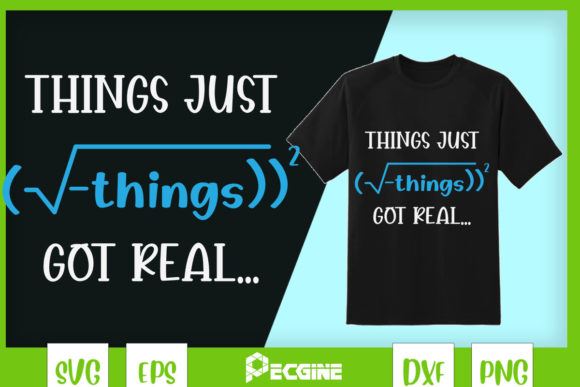
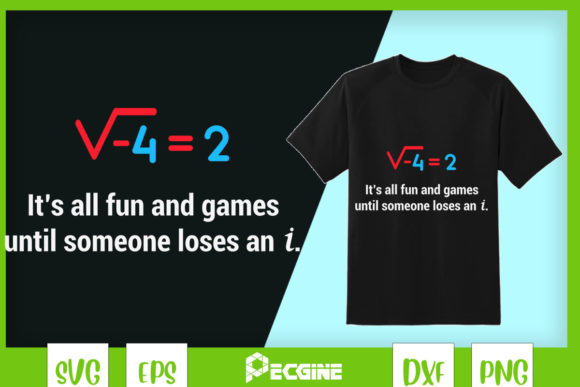
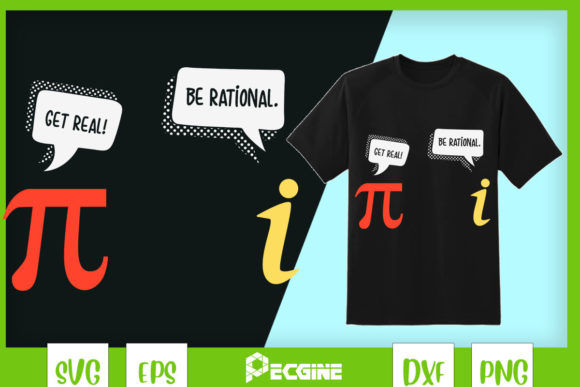
When you first open the Pi and Imaginary Number Funny Math embroidery file, you get a sense of its personality immediately. It’s clever without being cluttered. The layout balances the classic pi symbol with the playful “i” for imaginary numbers in a way that feels designed, not just typed out. This isn't a dense, textbook equation; it's a lighthearted nod for anyone who loves math, science, or just a good intellectual pun. The mood it creates is geek-chic and friendly, perfect for a personalized gift or a boutique product that speaks to a specific, appreciative audience.
The detail level looks manageable. There are no overly tiny serifs or microscopic details that would vanish under a satin stitch. This tells me it’s a design meant to be seen and understood from a reasonable distance, which is crucial for embroidery. The visual personality is confident and a bit whimsical, making it a natural fit for custom apparel like a quality sweatshirt or a crisp apron, where the statement is part of the garment’s appeal.
Where This Design Finds Its Perfect Project
I picture this design embroidered on a mid-weight cotton tote bag. It would be a fantastic product for a small shop selling to teachers, engineers, or university students. The clean lines would translate well onto the bag’s flat surface, and the humor would make it a conversation starter. Similarly, it’s an excellent candidate for a embroidered patch. The bold, symbolic elements would retain their clarity even at a smaller scale, allowing it to be applied to a cap or a backpack.
For baby clothes or nursery decor, it’s a sweet and subtle choice for parents in STEM fields—a little math love on a onesie or a pillow cover. As a holiday gift, embroidered onto a high-quality kitchen towel or a pillow cover, it becomes a personalized, thoughtful present far beyond a generic store item. In a craft fair setting, this design on a simple, well-made sweatshirt immediately signals a niche product, attracting buyers looking for something unique and intelligently designed.
Considering the Stitch in Real-Life Situations
On most standard projects—a tote bag, sweatshirt, or apron—this design should perform well. The provided file formats, like SVG and DXF, are typically compatible with many machines, allowing for smooth scaling. The key will be stitch density. Areas that look solid in the graphic will likely become fill stitch regions. On a textured fabric like a fleece-backed sweatshirt, you’d need appropriate stabilizer to keep those fills clean and prevent puckering.
The design’s strength is its visual clarity, which directly boosts product value and customer trust. A crisp, well-executed embroidery of this motif on a handmade product shows care and professionalism. It elevates a simple garment into a designer item. For an Etsy seller or small business owner, using such a clear, recognizable design enhances brand consistency if you cater to a brainy, creative clientele. Its giftability is high because it feels personal and niche.
Cautionary Notes for Specific Applications
There are places where I’d use this design carefully. On very small hoop sizes, the lettering and symbols might need to be simplified or could become too dense, losing their clean appeal. Embroidering it onto thin or stretchy fabric, like a lightweight t-shirt, requires extra attention to stabilizer and possibly reducing the stitch density to maintain fabric integrity.
Dark fabric backgrounds are a classic challenge. You’ll need to plan your thread color contrast carefully—a bright white or a contrasting pastel would be essential to keep the design pop. On curved surfaces like caps, the layout might need slight adjustment to sit correctly on the crown, though the design’s relatively compact shape should be adaptable.
Products that need frequent washing, like baby items or kitchen towels, demand durable thread and a secure embroidery finish. I’d avoid placing it on areas of high friction or stress. For commercial embroidery projects running large batches, always confirm the licensing terms for the digital embroidery file to ensure your use is covered.
The Embroidery Designer's Practical Checklist
Before you commit this to a final product, run through these real-world steps. First, always test the design on scrap fabric first. Use the same material and stabilizer you plan for the final project. This reveals how the stitch density behaves and whether any small details, like the equals sign, stitch out clearly.
Check thread color contrast against your background fabric. Don’t just trust the digital preview. Review how it looks in both light and dark fabric mockups. Use proper stabilizer for your chosen fabric—this is non-negotiable for maintaining stitching clarity.
Inspect the small details in your test run. Are the curves of the pi symbol smooth? Does the “i” dot stay distinct? This is especially important if you’re scaling the design down for a patch or a baby item.
Finally, consider the end-use. If you’re selling the finished product, does this design align with your brand and customer expectations? For digital product sellers offering printable mockups, the clean PNG file included can be a great asset for creating compelling listings. But always advise your customers to perform their own stitch tests, as fabric choice ultimately dictates the final look.
Final Thoughts on Pi and Imaginary Number Funny Math
This design, from a professional standpoint, is a solid, usable asset. It has a defined audience and a clear visual idea that translates well into the embroidery world. It’s not overly complex, which means it’s reliable for a variety of projects without demanding excessive machine time or specialized skills. Its value lies in that niche appeal—it turns a simple embroidery project into a specialized product with higher perceived worth.
For the crafter, hobbyist, or creative entrepreneur, it’s a design that can work for both personal gifts and small shop merchandise. Its success hinges on your execution: choosing the right fabric, the right stabilizer, and the right product pairing. When stitched well onto a suitable item, Pi and Imaginary Number Funny Math becomes more than a graphic; it becomes a clever, well-made handmade product that people will seek out and appreciate. That’s the real goal of any good embroidery design.