A Designer's Review of Hand Drawn Floral Clip Art
First Impression: A Friendly, Approachable Style
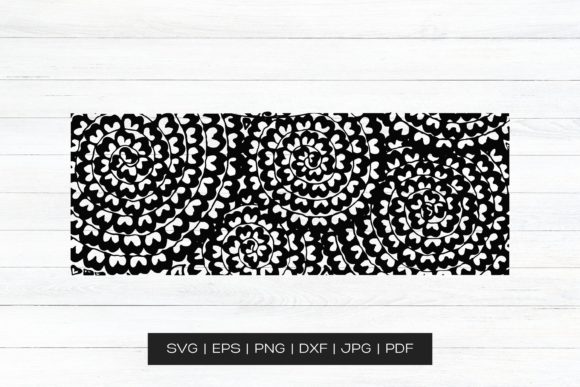
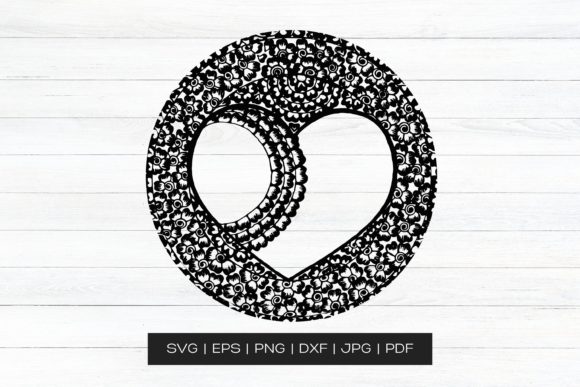
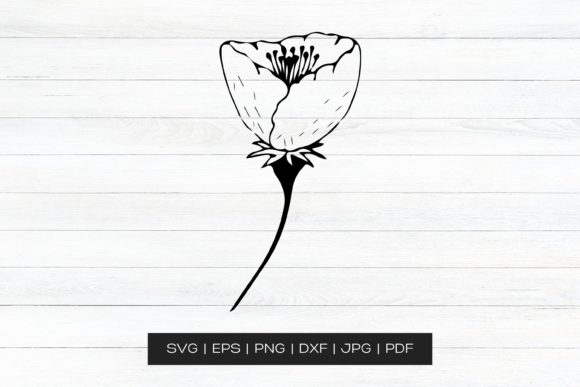
When I first look at a new design, I'm thinking about the mood it will create on a finished product. This Hand Drawn Floral Clip Art immediately feels friendly and approachable. It's not overly formal or rigid. The sketched, organic lines suggest a handmade warmth that's perfect for the kind of projects my clients love—personalized gifts, boutique merchandise, and items that feel special rather than mass-produced. The loose, artistic style means it won't look stiff or computerized after stitching, which is a huge plus for building customer trust in a handmade product.
The Perfect Project: Embroidering a Custom Tote Bag
Let's walk through a real scenario. Imagine you're preparing a custom embroidered tote bag for a small shop or a client's gift. You want something unique, visually appealing, and stitching that will hold up well. This floral clip art design, with its balanced layout and clear shapes, is a strong candidate. I'd consider placing it centrally on the bag's front panel. The hand-drawn nature means it will translate beautifully into stitches, avoiding the pitfalls of designs that are too geometric and become thread-heavy. The open, sketch-like detail level suggests it won't require an oppressive stitch density, making it suitable for the often-textured fabric of a tote without risking puckering.
Where This Design Naturally Belongs
This isn't a one-trick design. Its visual personality makes it versatile. Beyond tote bags, I can easily see it enhancing a cozy sweatshirt for a casual brand, adding a sweet touch to a baby blanket or nursery pillow cover, or becoming a charming patch for a backpack. It has that giftability factor—it looks like a thoughtful addition to a tea towel, apron, or pillow cover for a wedding or holiday gift. For Etsy sellers and creative entrepreneurs, it's a design asset that can anchor a whole line of products, from custom apparel to home decor, ensuring a consistent, handmade presentation across your shop.
Performance in Real-Life Embroidery Situations
How will it actually perform when the machine starts running? The key here is clarity. The hand-drawn style, if the embroidery file is well-digitized, should allow for clean satin stitches for outlines and intelligent fill stitches for larger areas. On a sweatshirt, you'd need to consider fabric texture and use a proper stabilizer, but the design's organic flow should adapt well. On a cap or curved surface, the lack of extremely tight, tiny corners is a benefit—it's less likely to have stitch buildup in problematic areas. For baby clothes or items needing frequent washing, a design with moderate stitch density and secure stitching is ideal, and this floral aesthetic seems to align with that practical need.
Where to Use with Extra Care
Every design has its considerations. With a hand-drawn floral theme, you must be mindful on very small hoop sizes. If the design is scaled down too much for a tiny patch or a baby garment detail, those sketched lines might lose their definition and become muddy. It's also wise to test it on dark fabric backgrounds. The open areas might need careful thread color contrast planning to ensure the floral shapes remain vivid and don't get lost. Similarly, on very thin or stretchy fabric, the overall stitch coverage area needs to be evaluated—a test on scrap fabric first is non-negotiable.
Impact on Your Business and Craft
Beyond the stitch, this design affects your product's value and buyer engagement. For a small business owner or apparel decorator, using a design with this kind of artistic, hand-drawn flair elevates your work. It communicates effort and artistry beyond a standard graphic, which customers recognize and appreciate. It strengthens your brand consistency if you cultivate a natural, craft-focused aesthetic. In a digital product preview or printable mockup for your Etsy listing, this style stands out as authentic, which directly influences professionalism and sales.
Practical Designer Notes Before You Hoop
Before I commit this to a client's project or my own craft fair merchandise, my checklist is practical. First, I always test the embroidery design on a scrap of the actual project fabric. For this floral clip art, I'd pay close attention to how the sketched details render—are they clear or do they blur? I'd check thread color contrast, experimenting with both light and dark fabric backgrounds in black and white mockups to judge readability. I'd review the stitch density in the file to ensure it's appropriate for my target fabric, be it a thick pillow cover or a lightweight t-shirt. Crucially, for any commercial embroidery project or selling finished items, I confirm the licensing terms of the graphic before I begin. The product description mentions suitability for various crafts, but I need to know the specifics for machine embroidery and commercial use.
Final Thoughts: A Versatile Foundation for Creativity
Hand Drawn Floral Clip Art strikes me as a versatile foundation. It's not just an embroidery file; it's a starting point for a hundred beautiful, handmade products. Its mood is warm and its application is broad, from personalized gifts to small shop merchandise. The real magic happens when you, as a maker, pair it with thoughtful execution: the right stabilizer, the perfect thread colors for your fabric, and a product that deserves its friendly charm. It’s a design that, when stitched well, tells a story of craftsmanship—and that’s exactly what our customers and clients are looking for.