A Coffee Vintage Design Template Review for Your Embroidery Projects
The Warm, Textured Feel of a Classic Coffee Shop
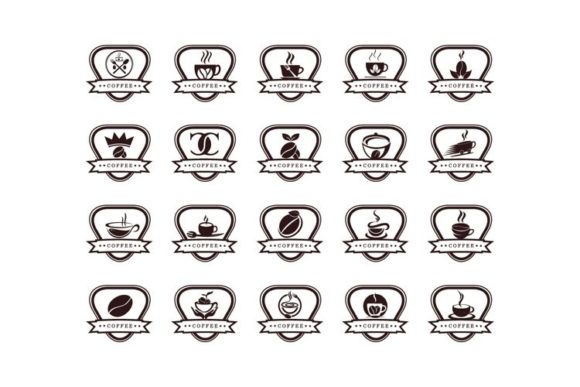
Opening the Coffee Vintage Design Template, my first impression is of a warm, inviting, and slightly nostalgic mood. It feels like stepping into a cozy, independent cafe. The layout has a balanced, centered composition typical of logos, with a clear focus on the core elements—the beverage, steam, and the surrounding decorative items like the muffin and bean. This isn’t a hyper-modern, sleek graphic; it’s a design with a textured, almost hand-drawn personality. That visual character is its greatest strength for embroidery, as it translates naturally into the tactile quality of thread and fabric.
Where This Vintage Coffee Design Shines in Stitched Form
This is a design that begs to be stitched onto something tangible. Imagine a custom embroidered tote bag for a local coffee shop, or a cozy sweatshirt for a barista. The theme is universal and warmly received, making it perfect for personalized gifts—think a holiday present for a coffee-loving friend, stitched onto a premium apron or a decorative pillow cover for their kitchen.
For small business owners and Etsy sellers, this template is a versatile asset. It could become the central logo for a boutique coffee bean seller, embroidered onto caps for staff or as a patch on reusable bags sold as merchandise. The set of elements means you can potentially isolate the mug or the ribbon for simpler applications, like a small design on a baby bib for a “little bean” gift, though careful scaling would be needed. For craft fair products like embroidered tea towels or blanket borders, the classic theme has high giftability and recognition.
Projects That Pair Perfectly with This Design
- Custom Apparel & Gifts: Sweatshirts, t-shirts, aprons, and caps for coffee shops or personal use.
- Home & Kitchen Decor: Embroidered pillow covers, kitchen towels, and nursery decor for coffee-themed rooms.
- Small Shop Merchandise: Tote bags, patches, and branded products for boutique businesses.
- Digital Product Integration: Using the provided files for printable mockups or as a design asset in commercial embroidery projects.
Considerations for Successful Embroidery Execution
While the mood is right, an embroidery designer must think practically about how this machine embroidery file will perform on real fabric. The detail level, with elements like steam, aroma ribbons, and smaller beans, requires attention. On textured fabrics like a thick sweatshirt, the finer details might lose clarity. On stretchy fabric or thin material, a robust stabilizer is absolutely key to prevent distortion, especially in any denser fill stitch areas representing the dark beverage or muffin.
The design’s strength as a logo means it often needs to be read clearly. On curved surfaces like caps, the centered layout works well, but tiny lettering (if any is present in the specific file you use) and detailed corners must be inspected closely. For dark fabric backgrounds, thread color contrast is paramount—you might need to shift to lighter tones for the steam and ribbon to maintain the vintage, light feel.
Where to Use This Design with Extra Care
- Small Hoop Sizes: Attempting to shrink the entire complex design for a very small item may cause detail loss.
- Stretchy or Thin Fabrics: Requires excellent stabilizer choice and possibly adjusted stitch density.
- Layered Garments: On collars or pockets, ensure the design area is flat and accessible.
- Products for Frequent Washing: Secure stitching and quality thread will ensure longevity on items like kitchen towels.
The Impact on Your Product’s Value and Appeal
Using the Coffee Vintage Design Template effectively elevates your finished product. It conveys a sense of craftsmanship and brand consistency if used commercially. For a handmade product, it feels professional yet approachable, increasing customer trust and engagement. A beautifully embroidered tote bag with this design isn’t just a bag; it’s a statement piece that tells a story, enhancing its perceived value. For gift items, its universal and pleasant theme makes it an easy, successful choice, boosting its giftability.
Practical Notes Before You Hoop the Fabric
Before running this embroidery file on your final project, a few steps are non-negotiable. Always test the design on scrap fabric first, using the same material and stabilizer you plan for the final item. This reveals how satin stitches, fill stitches, and running stitches behave, and lets you check the actual stitch density. Review the small details—do the steam lines remain distinct? Does the ribbon look clean?
Create simple black and white mockups, and compare how the design reads on both light and dark fabric backgrounds. This informs your thread color choices. Crucially, verify the licensing terms of the specific files you possess. The product includes multiple formats like SVG and PNG, which suggests versatility, but confirm whether your intended use—for personal gifts or commercial embroidery projects for your small shop—is covered before selling any finished items or digital products derived from it.
Your Pre-Stitch Checklist
- Test on scrap fabric matching your final project’s texture.
- Confirm optimal hoop size for detail preservation.
- Inspect thread color plan for light and dark backgrounds.
- Check stabilizer suitability for your chosen fabric.
- Verify licensing for personal or commercial use.
Ultimately, the Coffee Vintage Design Template is a graphics package with a strong, emotive core. Its success in your embroidery project hinges on marrying that warm vintage mood with practical embroidery preparation. When executed with care, it becomes a stitched piece that feels both handmade and professionally valuable, perfect for the maker, the gift-giver, and the creative entrepreneur.